Describe it once
You explain where you see mold, what smells you notice, and what led up to it. We use that to match you with a local contractor who handles mold remediation.
Serving Jacksonville, Florida & surrounding areas
Calls answered around the clock
Mold remediation · Jacksonville, Florida
Describe what you're seeing once and we'll connect you with a local contractor who handles containment, cleanup, and the next steps to get the space back to normal.
✓Describe what you see once
✓Connect with a local contractor
✓Discuss containment and cleanup
✓You decide whether to proceed
Contain, remove, clean, and dry
If you're searching for mold remediation Jacksonville homeowners can rely on, it helps to know what the job actually includes. Mold remediation is the controlled removal of mold growth and the correction of the conditions that allowed it to grow in the first place. The goal is to keep spores from spreading, remove contaminated materials that can't be saved, clean what can, and leave the area ready for repairs.
In Jacksonville, mold often shows up after moisture problems that can be easy to miss at first: slow plumbing leaks under sinks, condensation around supply lines, HVAC drain issues, roof leaks, or humidity trapped in wall cavities. You'll see it most often in bathrooms, around windows, behind cabinets, in closets on exterior walls, and in garages or laundry areas.
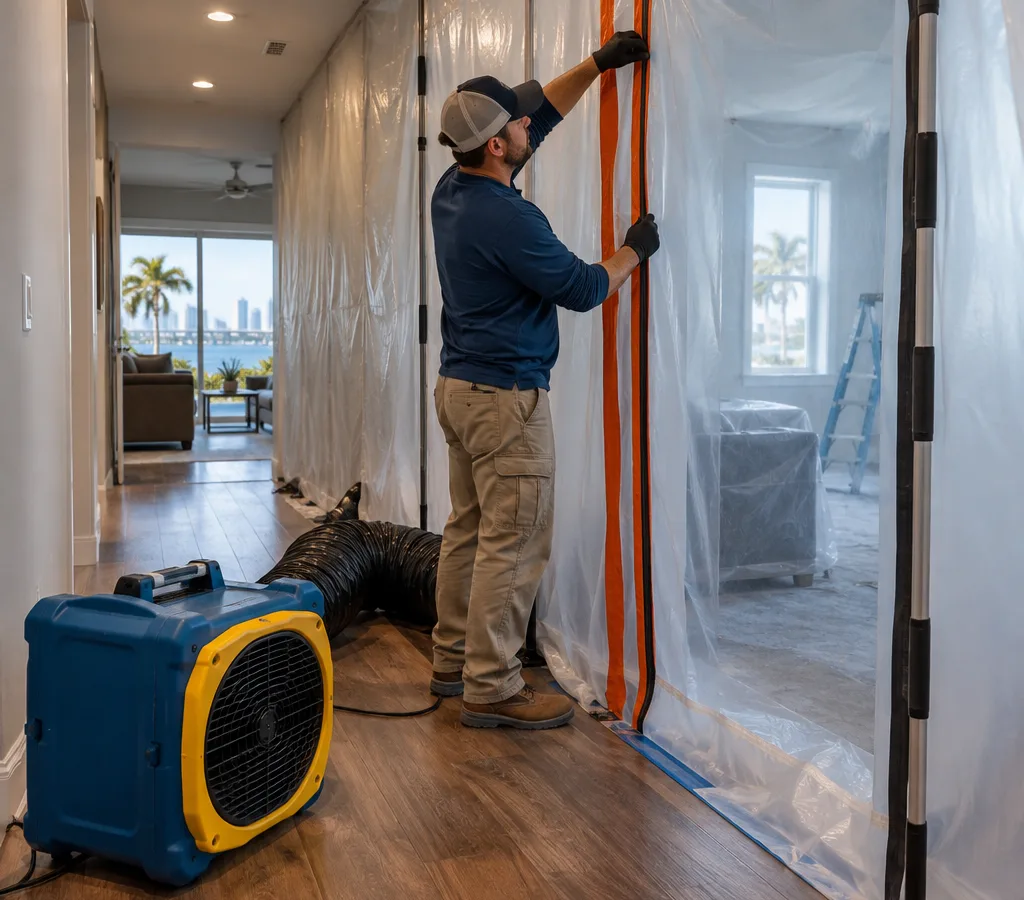
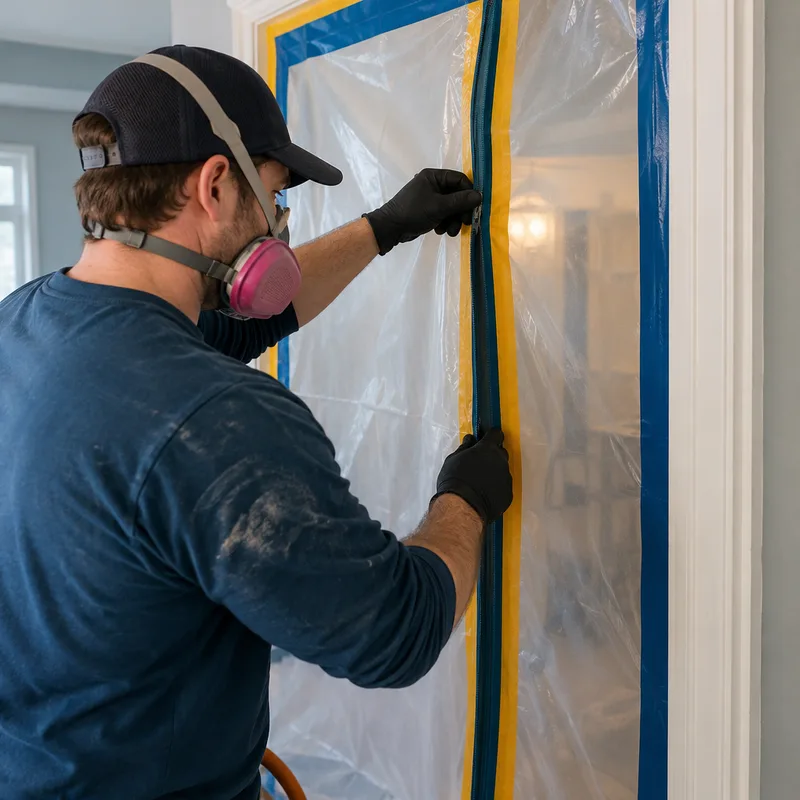
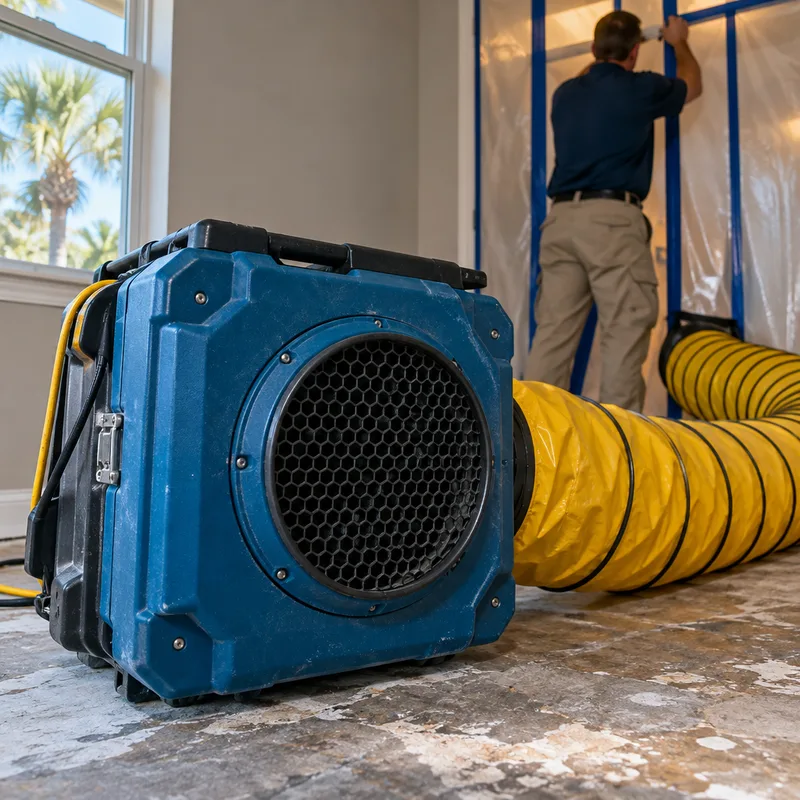
A typical mold removal in Jacksonville Florida starts with an on-site assessment. The contractor looks at where growth is visible, where moisture is coming from, and what materials are affected, including drywall, baseboards, insulation, framing, carpet, and contents. When demolition is needed, containment is set up with plastic sheeting and a zipper entry. Negative air is commonly used so spores are pulled into filtration instead of moving through the home.
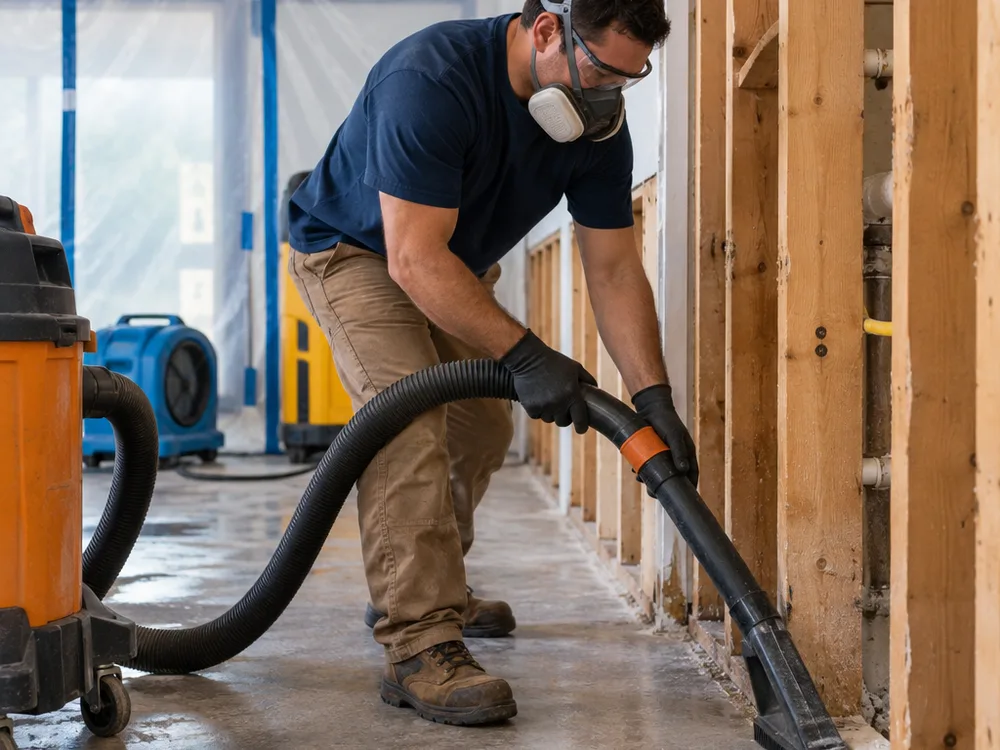
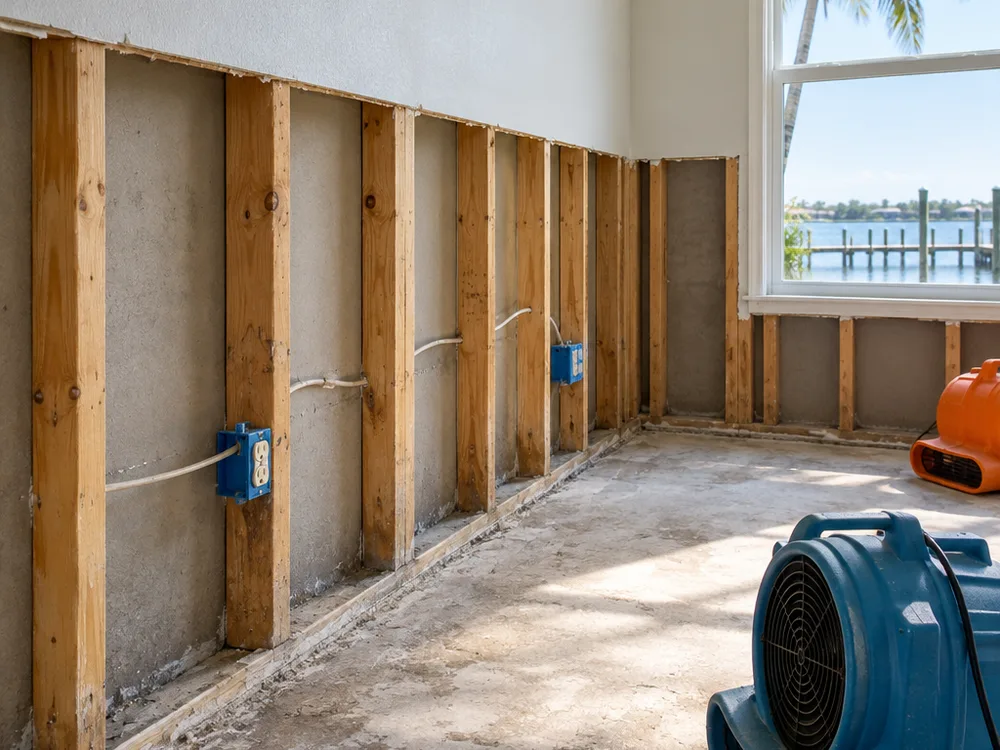
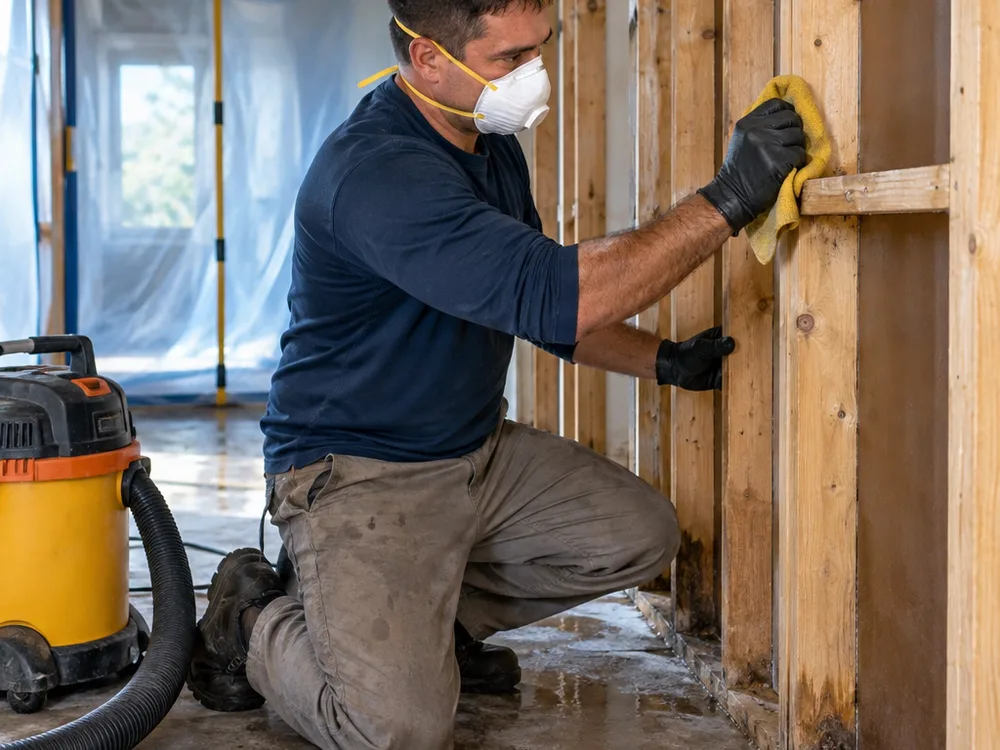
After containment, the contractor removes unsalvageable porous materials, often drywall and insulation, then performs cleaning on remaining surfaces using appropriate methods for the material. In many jobs that includes HEPA vacuuming and damp wiping, followed by drying and dehumidification so moisture levels come back down. Some projects also involve addressing odor and fine particulate after the main removal.
Jacksonville FL Water Damage is a referral service. We connect homeowners with independent contractors who do mold remediation and related restoration work across the area. If you're dealing with moisture damage at the same time, we can also connect you with local water damage contractors throughout Jacksonville, FL so the drying and remediation plan can be coordinated instead of handled in pieces.
A direct local referral
You explain where you see mold, what smells you notice, and what led up to it. We use that to match you with a local contractor who handles mold remediation.
Instead of tracking down multiple companies and repeating the story, you get routed to a contractor who can discuss next steps for your specific situation.
Humidity, HVAC condensation, and storm-driven leaks can change how a remediation plan is scoped. The contractor you speak with works in Jacksonville and nearby communities.
A good remediation conversation covers containment needs, what materials may be removed, how drying is handled, and what repairs are typically left for a separate trade.
You talk to the contractor directly, ask questions, and decide whether to move forward based on their plan for your home or building.
From the first call to prevention
Share where the mold is showing up, how long it's been there, any recent leaks, and whether anyone in the home is sensitive to odors or dust. We use that description to connect you with a contractor who handles mold removal in Jacksonville.
The contractor checks likely moisture sources, including plumbing, roofing, windows, HVAC drains, and condensation, identifies affected materials, and explains what needs containment and what can be cleaned versus removed.
Plastic barriers, a sealed entry, and often negative air are set up. If drywall, insulation, carpet, or cabinetry is contaminated, it's removed and bagged out to limit spread.
Remaining surfaces are cleaned using methods suited to the material, commonly including HEPA vacuuming. Drying equipment may run until the area is dry enough for repairs.
Once remediation is complete, the contractor can explain what needs to be rebuilt, such as drywall, trim, paint, or flooring, and what changes may help prevent recurrence, like fixing drainage issues, improving ventilation, or correcting HVAC condensation problems.
If you're seeing spotting on drywall, smelling a musty odor, or dealing with a leak that soaked building materials, describe the situation once and get connected with a Jacksonville-area contractor who can take it from there.
Containment, airflow, cleaning, and rebuild preparation
Questions before you call
Mold removal is the physical cleaning and disposal of mold-contaminated material, while mold remediation includes removal plus the controls that keep spores from spreading and the moisture correction plan that prevents the problem from coming back. When you talk to a contractor about mold removal in Jacksonville, ask how they handle containment, drying, and identifying the moisture source.
If mold is on porous materials like drywall, insulation, carpet, or particleboard, those materials often need to be removed because they can't be reliably cleaned. A contractor typically explains what is likely salvageable, including many hard surfaces, versus what usually gets cut out, and how containment is set up before demolition starts.
Keep the area as undisturbed as possible and avoid scrubbing or brushing visible growth, which can spread spores. If it's safe, note any recent leaks, take a few photos, and clear a path to the affected rooms, attic access, or HVAC closet so the contractor can assess likely moisture pathways.
Tell us where you see mold, whether there's a musty odor, if any water event happened, and what materials got wet. Mention if it's a home, condo, or commercial space, and whether there's an HOA or building management involved.
Containment usually includes plastic barriers, a sealed entry, and HEPA filtration, often with negative air so airflow moves into the work zone instead of out to clean areas. The contractor should also explain how they bag out debris, protect return-air pathways, and clean dust and residues after removal.
Testing is not required for every situation, especially when there is visible growth and a known moisture source, but some homeowners or property managers choose testing to document conditions or clarify where spores are coming from. The contractor you speak with can tell you whether testing changes the scope, or whether the priority is containment, removal, and drying.
Remediation addresses the mold-affected materials and the drying plan, but the underlying cause might require a separate repair trade, such as plumbing, roofing, or HVAC service. During the assessment, ask the contractor what they believe the moisture source is and what repair needs to happen so the remediation work lasts.
Yes. If mold is tied to an active or recent water issue, we can connect you with a contractor who handles both remediation and the cleanup steps that often come with it, such as drying and removing damaged materials. If you also need broader cleanup help after a leak, water damage cleanup in Jacksonville can be part of the same conversation so the plan is coordinated.
One call starts the connection
Pick up the phone and describe where the mold is, what led up to it, and what areas are affected. We'll connect you with a local Jacksonville contractor who can explain the remediation approach and walk you through the next step.