Describe it once
Instead of repeating the story to multiple companies, you share the details one time and we connect you with a contractor who handles this type of loss.
Serving Jacksonville, Florida & surrounding areas
Calls answered around the clock
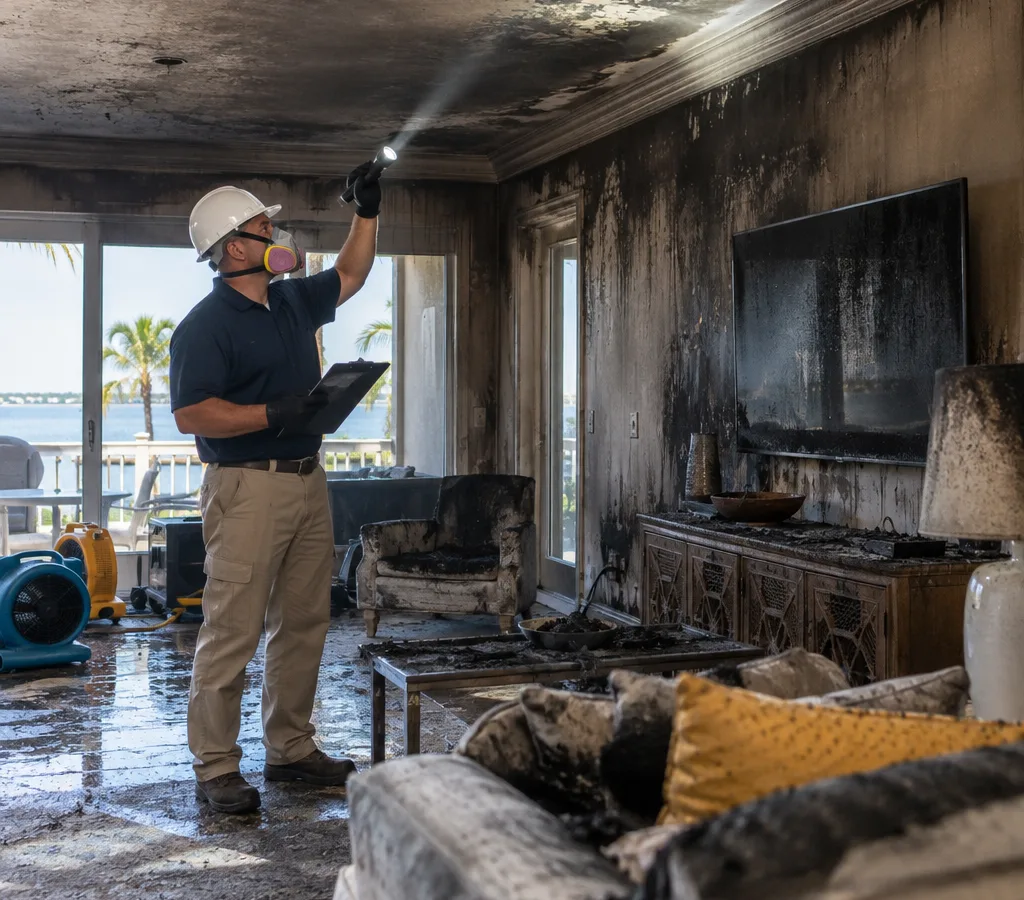
Fire restoration · Jacksonville, Florida
Describe what happened once and we'll connect you with a local contractor who handles fire cleanup, odor removal, and repair coordination.
✓Describe the fire loss once
✓Connect with a local contractor
✓Discuss cleanup and repairs
✓You decide whether to proceed
Assess, clean, remove, and coordinate
Fire damage restoration is a mix of cleanup, safety decisions, and planning for repairs. If you're searching for fire damage restoration jacksonville fl, you're usually dealing with more than what burned. Smoke travels, soot embeds into porous materials, and water from firefighting can create a second layer of damage.
Jacksonville FL Water Damage is a referral service. When you call, you describe the loss once and we connect you with a local contractor who handles fire restoration work in Jacksonville and nearby areas. If you're also comparing local water damage companies in Jacksonville, we can still route your details to the right type of contractor for the damage in front of you.
A contractor typically starts with a walk-through to separate what can be cleaned from what must be removed. Early decisions focus on safety and preventing additional damage: making the structure safe to enter, isolating affected rooms, and identifying surfaces that will keep releasing odor if they aren't addressed. In Florida's humidity, damp materials left in place after firefighting water can also turn into a bigger problem, so drying and removal choices matter.
Most homeowners need help with several parts of the job:
If the loss involves multiple trades, getting the scope organized early helps the rest of the work go smoother, especially when repairs need to follow a clear sequence.
A direct local referral
Instead of repeating the story to multiple companies, you share the details one time and we connect you with a contractor who handles this type of loss.
Fire losses can involve cleaning, demolition, odor control, and rebuild coordination. We focus on connecting you with a contractor who takes on fire restoration work, not a generic handoff.
You're connected with contractors who work in and around Jacksonville, so you're not routed to someone unfamiliar with local housing types and conditions.
You speak with the contractor directly, ask your questions, and decide whether their plan and scope fit your property.
A good first conversation clarifies what needs removal versus cleaning, what areas are likely affected by smoke, and what information the contractor will need when they arrive.
From safety checks to repair planning
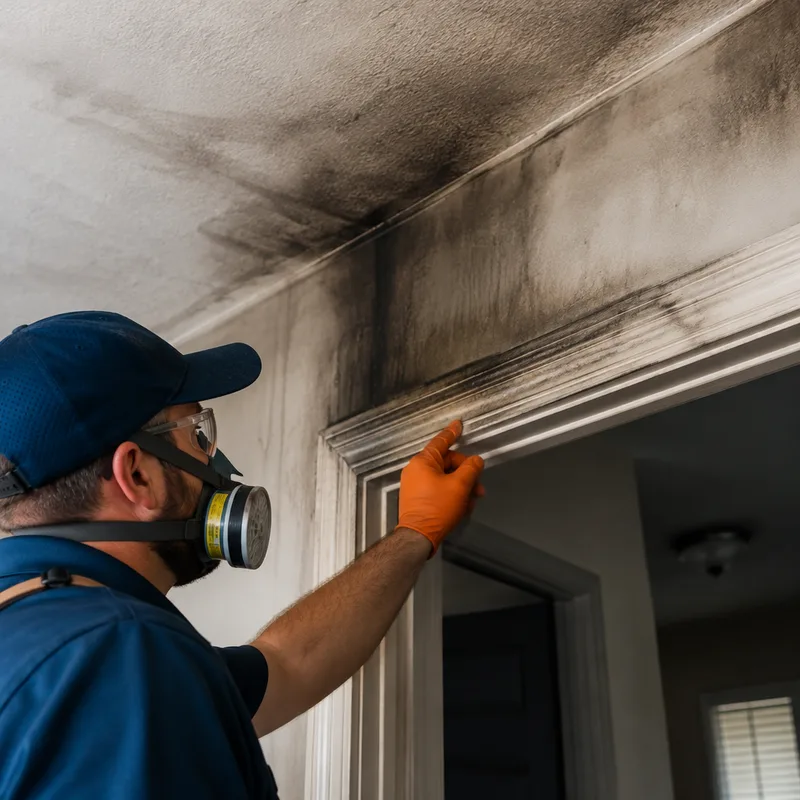
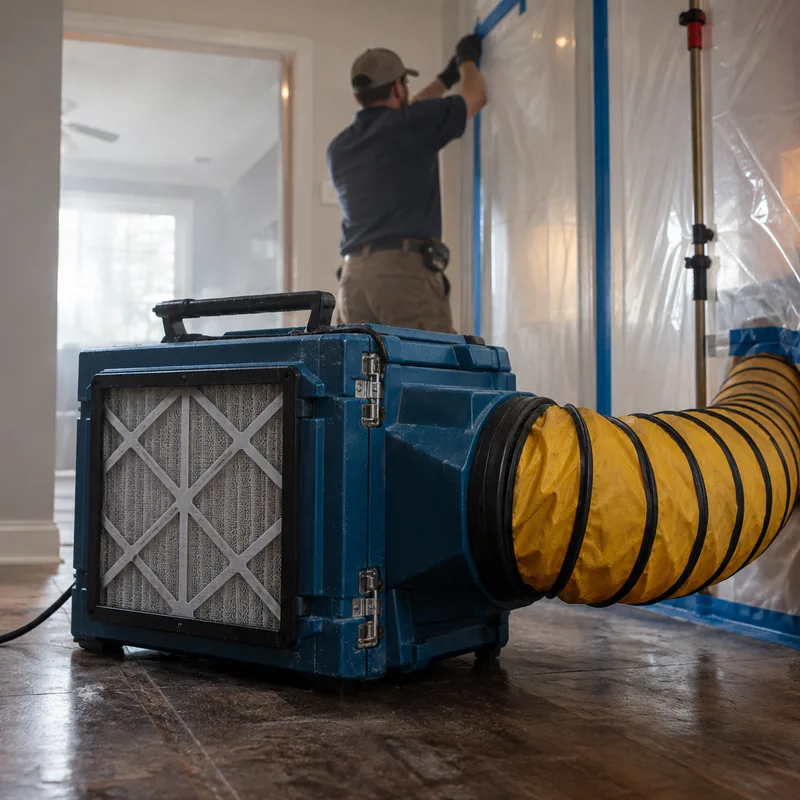
The contractor identifies immediate hazards, including unstable materials, electrical concerns, and contaminated debris, then sets boundaries so unaffected areas are not cross-contaminated with soot.
Rooms are evaluated for heat damage, soot patterns, smoke travel paths, and any water impact from suppression. This is where a realistic scope gets built.
Charred and soot-saturated materials are removed. In many homes, this includes drywall and insulation in affected cavities, plus flooring or cabinets that can't be cleaned to a stable surface.
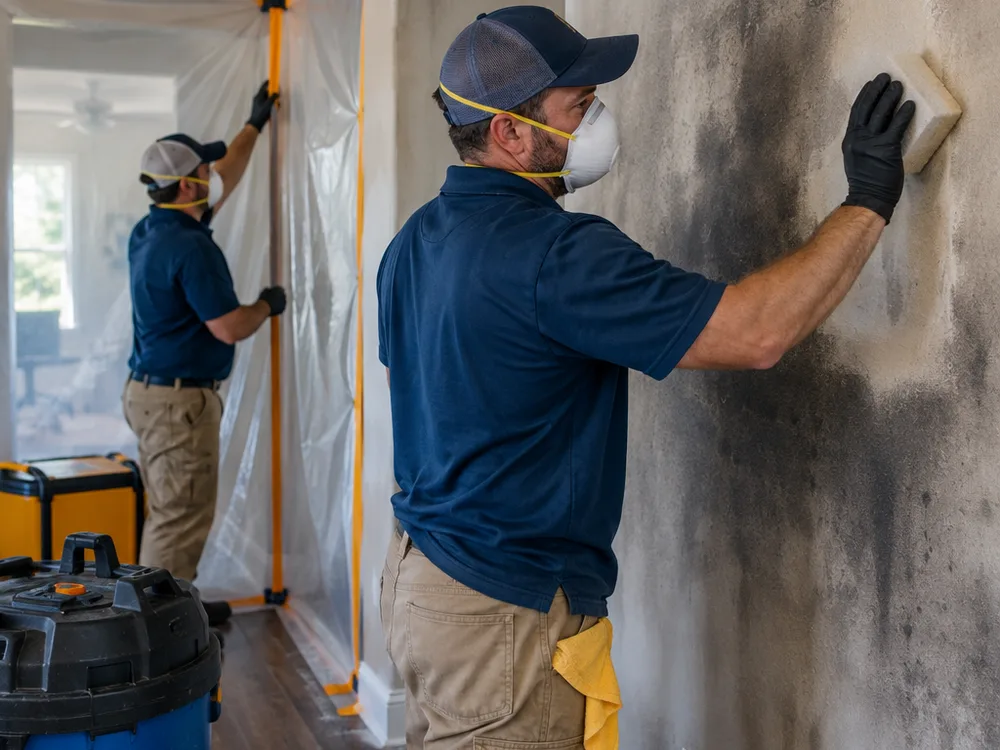
Soot is not the same as ordinary dirt. Contractors may use HEPA-filtered vacuuming, dry chemical sponges, and specialized cleaners to remove residue without smearing it into surfaces.
Odor is handled by treating the source materials. Depending on conditions, this can involve thermal fogging, hydroxyl generation, or ozone used in controlled, unoccupied settings, plus cleaning inside affected HVAC components.
Once the structure is clean and dry, repairs can be planned in normal construction order: framing repairs if needed, drywall, primer and paint, trim, cabinets, and flooring. The contractor can explain what may be repaired versus replaced.
If you're dealing with smoke odor, soot residue, or materials that need removal after a fire, describe what happened once and we'll connect you with a local contractor who can take it from there.
Residue, containment, and finished repairs

Questions before you call
A clear description of what burned, which rooms show soot or odor, and whether water was used for suppression helps us connect you with the right local contractor. If you can, note the type of surfaces affected, whether the HVAC was running during the incident, and whether power is on or off in the impacted area.
Removal is usually recommended when materials are charred, structurally compromised, or saturated with smoke residue that cannot be stabilized. Drywall and insulation often need selective tear-out when smoke has traveled into wall cavities, while some hard surfaces may be candidates for cleaning if heat damage is limited.
Smoke odor returns when the source remains in porous materials like drywall paper, insulation, framing, subfloor, soft goods, or HVAC components. Contractors target odor by removing or sealing affected materials and using treatment equipment based on where the odor is trapped, rather than masking it with fragrances.
Yes. Soot is fine particulate residue that can smear and embed into paint, plastics, and porous materials, while ash is often heavier debris. Cleanup methods are chosen to avoid driving soot deeper into surfaces, which is why HEPA filtration, dry sponging, and controlled wiping techniques are commonly used.
Water from firefighting can soak insulation, drywall, and flooring, and that moisture can complicate smoke cleanup. The contractor typically addresses drying and removal decisions early so odor control and rebuild work are not delayed by damp materials; Florida humidity makes that sequencing especially important.
Many fire restoration jobs move from cleaning and demolition into rebuild planning, even if different trades are involved. Ask who handles drywall, paint, flooring, cabinets, and electrical follow-up, and what order they recommend so repairs don't have to be redone.
It depends on how much of the home is affected and whether work requires containment, odor treatments, or shutting down parts of the HVAC and living areas. The contractor can explain what parts of the home can remain in use, what needs isolation, and whether any steps require the space to be unoccupied.
One call starts the connection
Tell us what happened, what you're seeing, and which rooms are affected. We'll connect you with a local Jacksonville-area contractor who handles fire damage restoration and can explain the next steps after they evaluate the property.